Ines Hughes · 1 September 2026
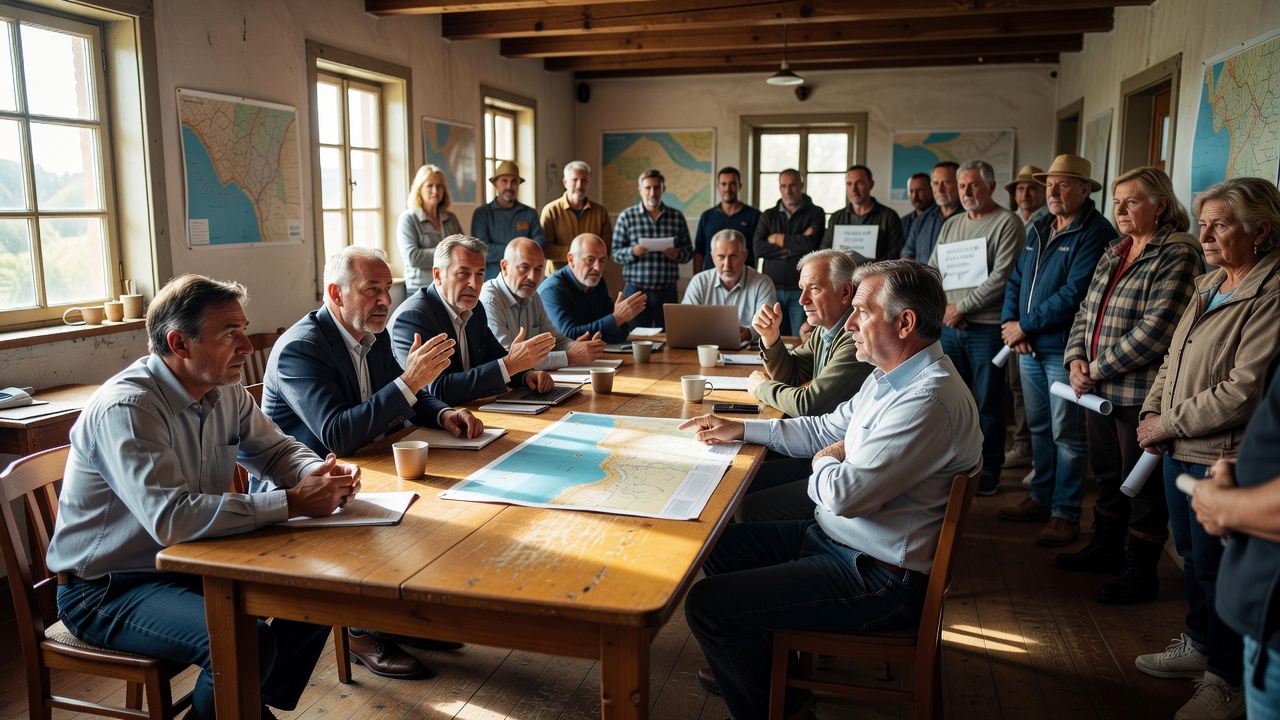
The Carova Town Council met on Tuesday to debate proposed restrictions on beach access. The discussion centered on protecting the local environment from overuse while considering the needs of residents and visitors. Recent studies have shown increased erosion and damage to wildlife habitats due to high traffic levels on the beaches. Officials noted that without intervention the shoreline could face long term degradation affecting both ecology and property values.
Details of the Proposed Restrictions
Among the key proposals are limits on the number of vehicles allowed on the sand during summer months and the introduction of a permit system for all users. Environmental experts presented evidence of declining sea turtle nesting success rates linked to human activity. The council also considered fines for unauthorized access and plans for additional patrols to enforce new rules. Supporters believe these steps will help preserve the beach for years to come. Critics however pointed out the potential negative effects on tourism which is vital to the local economy. Further analysis of similar policies in other coastal towns was requested to inform the decision making process. Additional measures discussed included seasonal closures in sensitive zones and educational campaigns to promote responsible use among visitors.
Reactions from Residents and Officials
Public comments revealed a divide in opinions with some calling for immediate action to safeguard natural resources and others advocating for more moderate approaches that do not restrict access too severely. Business owners expressed worries about losing customers if beach visits become more complicated. The mayor stressed the importance of community involvement in shaping any new policies. The council decided to establish a working group to study the issue in depth and report back with recommendations within sixty days. This debate highlights ongoing challenges in managing popular natural attractions in small towns like Carova where growth and conservation must coexist. Additional meetings are planned to allow more input from all affected parties before any votes are taken on the matter. Data collected will include traffic counts and environmental impact assessments to guide future decisions.