
Elena Brooks · 2 September 2026
Carova's Zoning Hearings and Library Grant Alignments Shape Resident Tax Strategies
Zoning Hearings Drive Property Assessment Adjustments
Carova zoning hearings scheduled through September 2026 continue to examine land use classifications that directly influence how local assessors calculate property values and associated tax obligations, while residents review proposed changes to residential and mixed-use zones that affect deduction eligibility under federal guidelines. Data from county records shows that adjustments to setback requirements and density limits have prompted reevaluations of lot sizes, and those who participate in the process often track how new designations alter their annual assessments.
Officials present evidence during these sessions that connects zoning modifications to broader fiscal planning, and participants note the alignment between updated ordinances and opportunities for tax credits tied to community improvements. Research from the National Association of Home Builders indicates that similar zoning shifts in coastal areas have led to measurable changes in taxable valuations, with some properties seeing increases of up to 15 percent after rezoning approvals.
Library Grant Alignments Create New Funding Pathways
Library grant alignments in Carova integrate with zoning outcomes because approved developments can qualify for supplemental state and federal funding streams that support public infrastructure, and these grants sometimes offset costs that otherwise fall on property tax rolls. Figures from the Institute of Museum and Library Services reveal that communities securing such grants report average reductions in local tax burdens by 8 to 12 percent when projects tie directly to land-use plans.
Grant applications reviewed in 2026 emphasize coordination with zoning board decisions, so residents planning long-term tax strategies review both sets of documents together to identify overlapping compliance requirements. One case study from a comparable North Carolina county demonstrated how synchronized zoning and grant approvals allowed homeowners to claim additional depreciation on qualifying improvements without triggering higher assessments.
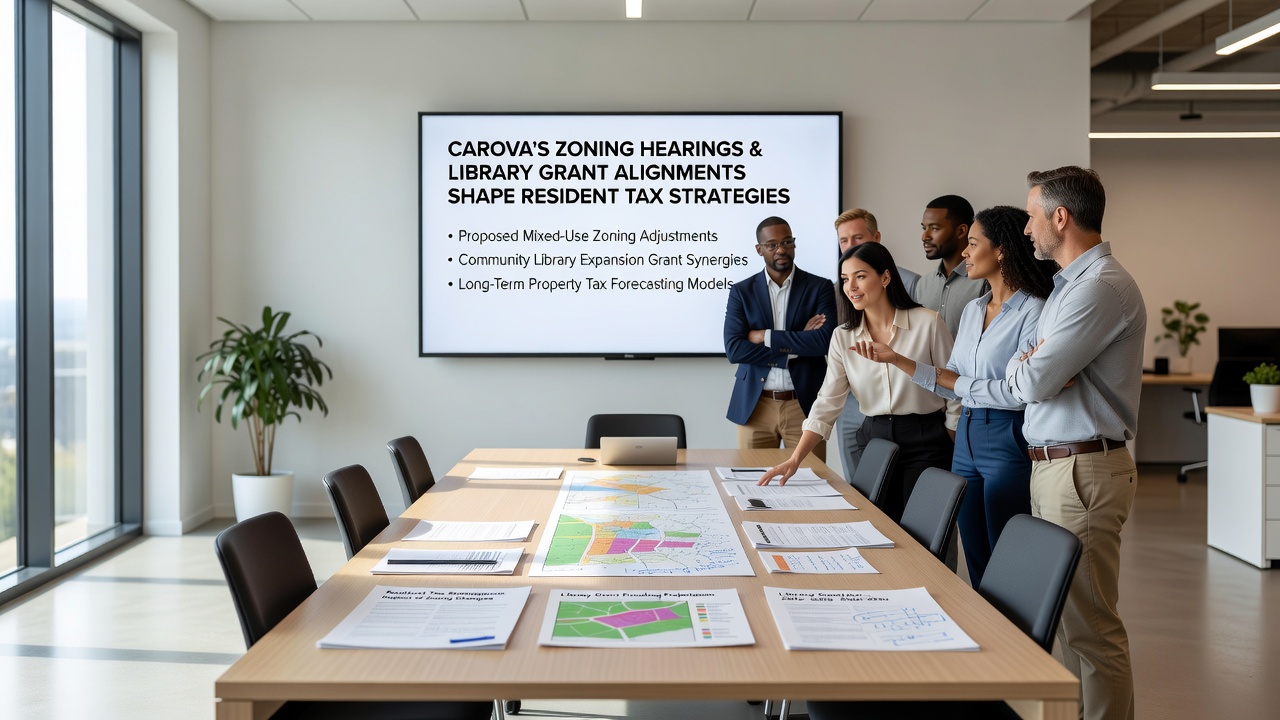
Tax Strategy Implications for Carova Residents
Residents adjust their tax strategies by timing property improvements around hearing outcomes and grant announcements, since certain capital expenditures become deductible once zoning confirms permitted uses and library funding covers related community enhancements. According to Internal Revenue Service guidelines on capital improvements, qualifying projects must align with local ordinances before owners can amortize costs over multiple years.
Observers note that September 2026 hearings will address several pending applications for accessory dwelling units, and those approvals could open pathways for additional tax incentives when paired with library expansion grants. Evidence from the Australian Taxation Office on similar mixed-use developments shows that coordinated planning reduces overall tax liabilities through structured depreciation schedules and targeted credits.
Property owners consult county tax maps and grant timelines simultaneously to forecast future obligations, while professional advisors compile data on how density changes affect homestead exemptions and special assessment levies. Studies published by the Lincoln Institute of Land Policy confirm that communities with integrated zoning and grant processes achieve more predictable tax outcomes for individual households.
September 2026 Timeline and Resident Preparation
September 2026 marks a series of public hearings where the zoning board will vote on proposals that directly intersect with library grant cycles, and residents prepare by compiling documentation on current assessments alongside projected grant-funded improvements. County staff distribute updated valuation models in advance so participants can model different scenarios before final decisions.
Those following the process track how each zoning variance application references specific grant criteria, which creates a documented trail for tax filing purposes. Data compiled by regional planning commissions shows that early alignment between these elements correlates with fewer appeals and more stable tax payments over five-year periods.
Conclusion
Carova's ongoing zoning hearings and library grant alignments continue to intersect in ways that shape how residents structure their tax strategies around property valuations and qualifying deductions. County records and external research sources demonstrate measurable connections between land-use decisions and fiscal outcomes, and participants who monitor both processes gain clearer projections for future obligations. As September 2026 hearings approach, the documented patterns from prior cycles provide a framework for anticipating assessment changes and credit opportunities.